



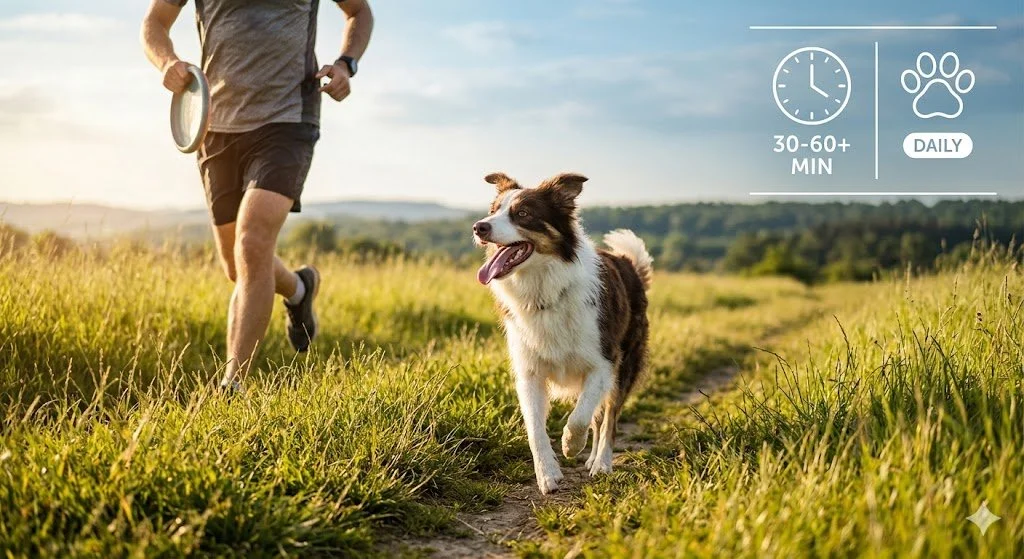
Every dog owner knows that exercise is crucial for their canine companions, but how much is actually necessary? The answer can vary significantly based on several factors, including breed, age, and health. In this article, we’ll explore how much exercise your dog needs every day and provide practical advice to keep your furry friend happy and healthy.
Understanding Your Dog’s Breed and Energy Level
The amount of exercise your dog needs largely depends on its breed and natural energy level. For instance, high-energy breeds like Border Collies and Labrador Retrievers require more intense physical activity compared to low-energy breeds such as Bulldogs or Shih Tzus. Generally, the following exercise recommendations can help guide you:
- High-energy breeds: 60 to 120 minutes of exercise daily.
- Moderately active breeds: 30 to 60 minutes daily.
- Low-energy breeds: 20 to 30 minutes daily.
Understanding these guidelines will help tailor your dog’s exercise regimen to their specific needs. For more in-depth information on proper dog nutrition, consider reading our article on choosing the right food for your pet.
The Importance of Age in Determining Exercise Needs
Your dog’s age plays a crucial role in determining how much exercise they need. Puppies, adult dogs, and senior dogs all have different exercise requirements:
- Puppies: Need frequent but short bursts of activity throughout the day. Aim for 5 minutes of exercise per month of age, up to twice a day.
- Adult dogs: Require regular, more sustained exercise sessions, ideally 1-2 times a day.
- Senior dogs: May need less intense activities, such as walking or gentle play, and their exercise should be adapted to their health concerns.
Health Considerations That Affect Exercise Needs
A dog’s health status can significantly affect their exercise requirements. Factors such as weight, injury, and chronic conditions should be considered before determining their exercise routine. Always consult your veterinarian if you’re unsure about your dog’s health status or ability to engage in physical activity. For those looking to incorporate training while exercising, you might want to read about training your dog effectively.
Practical Exercise Ideas for Your Dog
Finding creative ways to exercise your dog can keep them engaged and happy. Here are some enjoyable activities to consider:
- Long walks: A simple daily walk lets dogs explore their surroundings.
- Fetch: This classic game provides an excellent way to burn off energy quickly.
- Agility training: Setting up an obstacle course can offer both physical and mental stimulation.
- Dog parks: Socializing with other dogs can provide good exercise as well as experience.
Daily Routine: Structuring Your Dog’s Activity
Creating a structured routine can be beneficial for both you and your dog. Aim to incorporate various activities throughout the day:
- Morning walk or jog (20-30 minutes).
- Interactive playtime (fetch or tug-of-war for 15-20 minutes).
- Afternoon or evening walks (30-60 minutes).
- Evening cool-down sessions, which can include gentle stretching or mental stimulation games.
Frequently Asked Questions
How can I tell if my dog is getting enough exercise?
Signs of adequate exercise include a calm demeanor at home, healthy weight, and an overall sense of well-being. If your dog seems restless or anxious, they may not be getting enough exercise.
What happens if my dog doesn’t get enough exercise?
Lack of exercise can lead to behavioral issues, obesity, and health problems. To prevent this, customize their exercise routine to ensure adequate activity levels.
Can I exercise my dog too much?
Yes, over-exercising can lead to fatigue or injury. Always monitor your dog during physical activities and adjust the intensity or duration as needed.
Remember to adjust your dog’s exercise routine based on their energy levels, health status, and age. Tailoring their daily activities will not only keep them physically fit but also mentally stimulated. Providing the right amount of exercise can lead to a happier and healthier life for your furry friend.